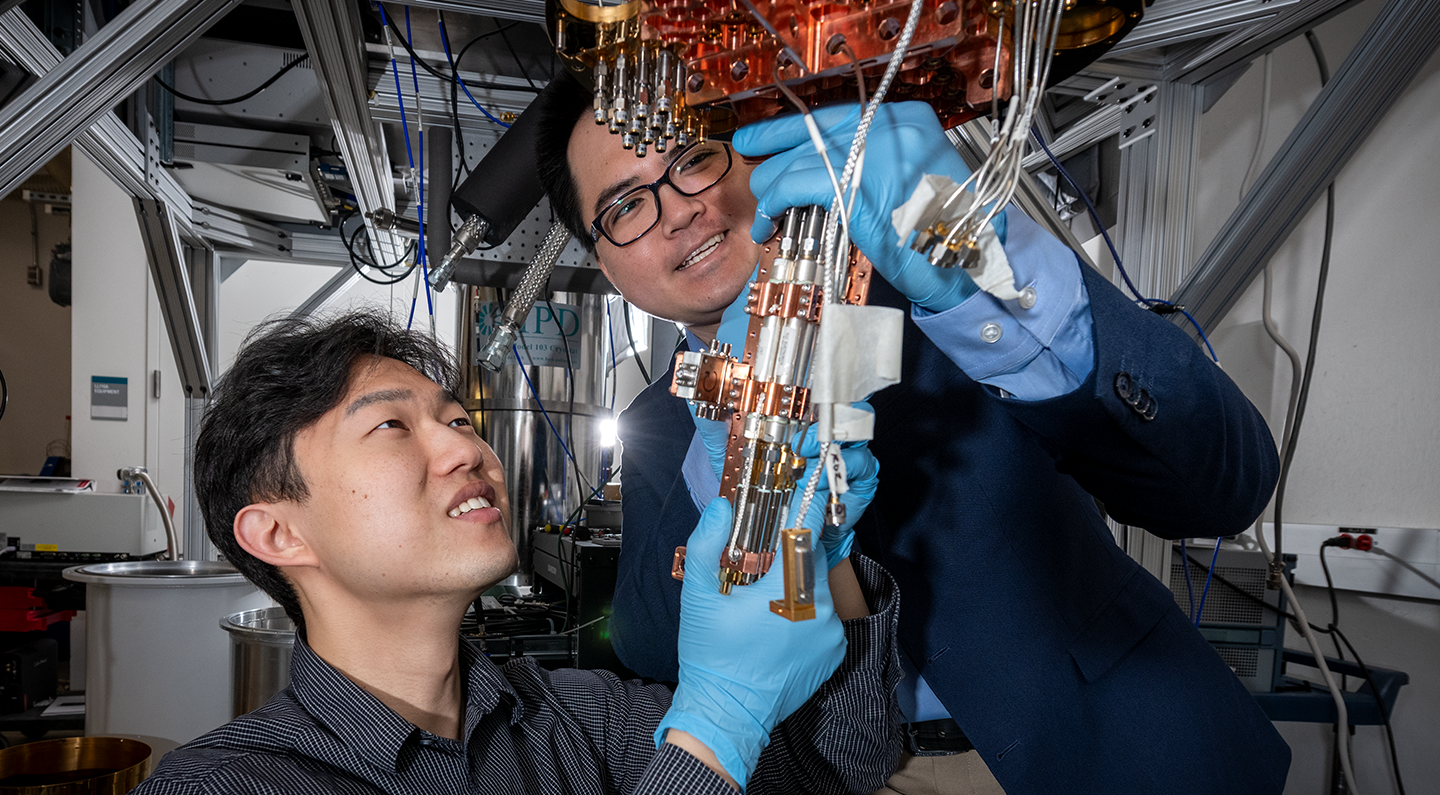
With over 90 staff, 50 postdocs, and 80 students from various backgrounds and disciplines at all levels is paramount to QSA. The strong, multidisciplinary team informs the Center’s vision and mission that champions innovation, engagement, representation, and safety for everyone.
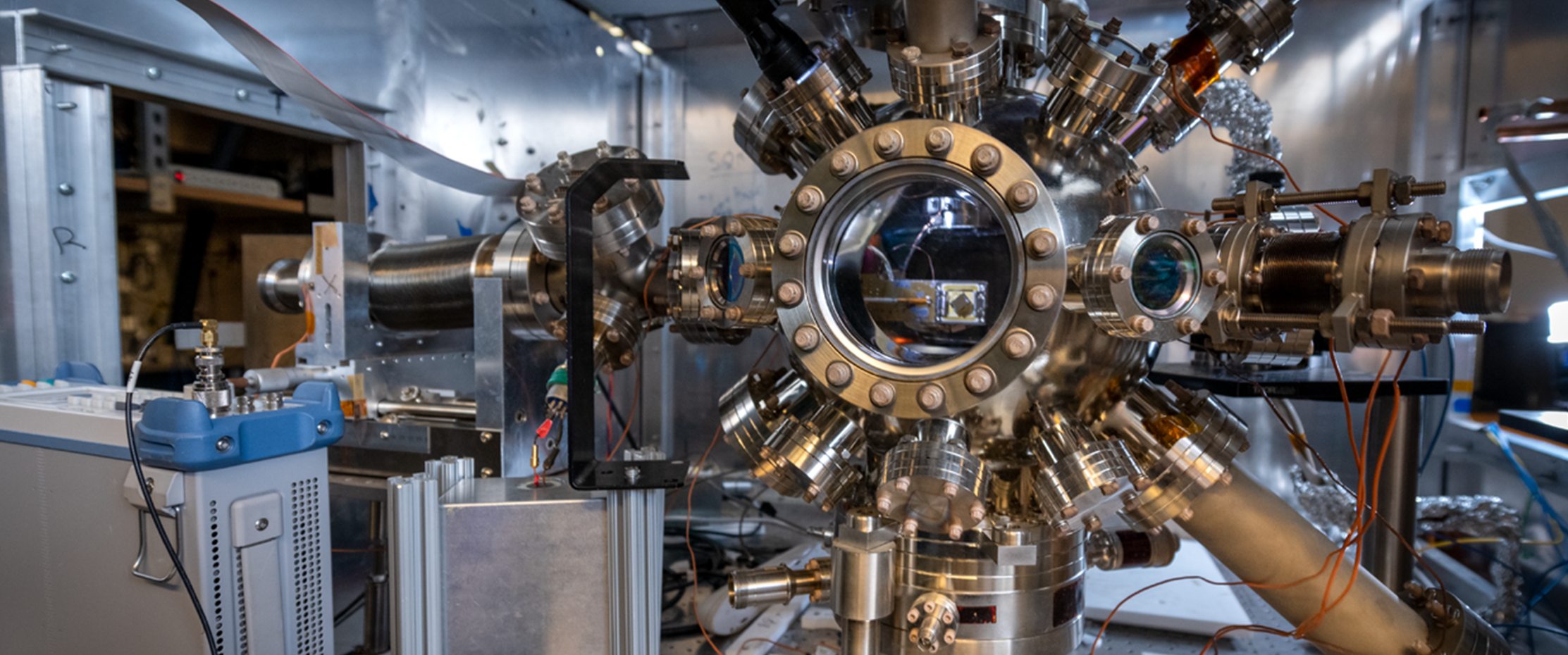
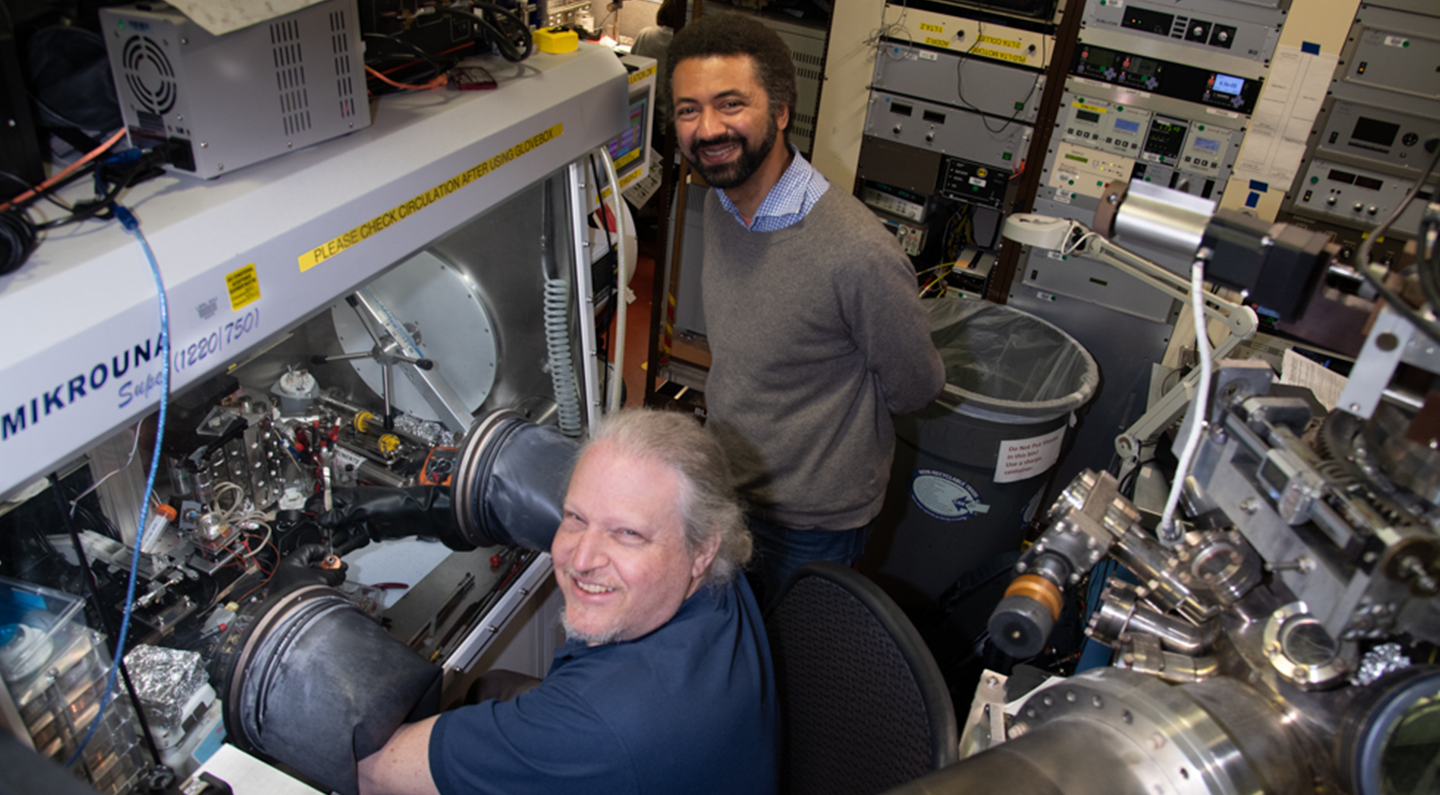
A distinguishing feature of QSA’s ecosystem is access to world-class DOE facilities and quantum-focused foundries that enable fabrication, characterization, and system-level integration at scale.
QSA partners leverage major national laboratory infrastructure, including:
- Microsystems Engineering, Science and Applications (MESA) facility at Sandia National Laboratories, supporting fabrication of ion traps, photonic chips, and integrated microsystems
- Center for Integrated Nanotechnologies (CINT), at Sandia National Laboratories, enabling nanoscale fabrication and materials characterization
- Molecular Foundry at Berkeley Lab, providing advanced nanofabrication, cryogenic measurement, and quantum materials characterization
- Advanced Light Source (ALS) at Berkeley Lab, offering powerful x-ray tools for structural and materials analysis
- National Energy Research Scientific Computing Center (NERSC) at Berkeley Lab, supporting large-scale simulation, benchmarking, and hybrid quantum–classical workflows
These facilities enable industry partners to collaborate with QSA researchers in prototyping, testing, and refining quantum technologies, utilizing infrastructure that is not typically available in commercial R&D environments.
As it prepares the next generation of scientists and engineers, QSA established a working group early in its foundation, composed of QSA members to train the student workforce at both the college and high school levels.
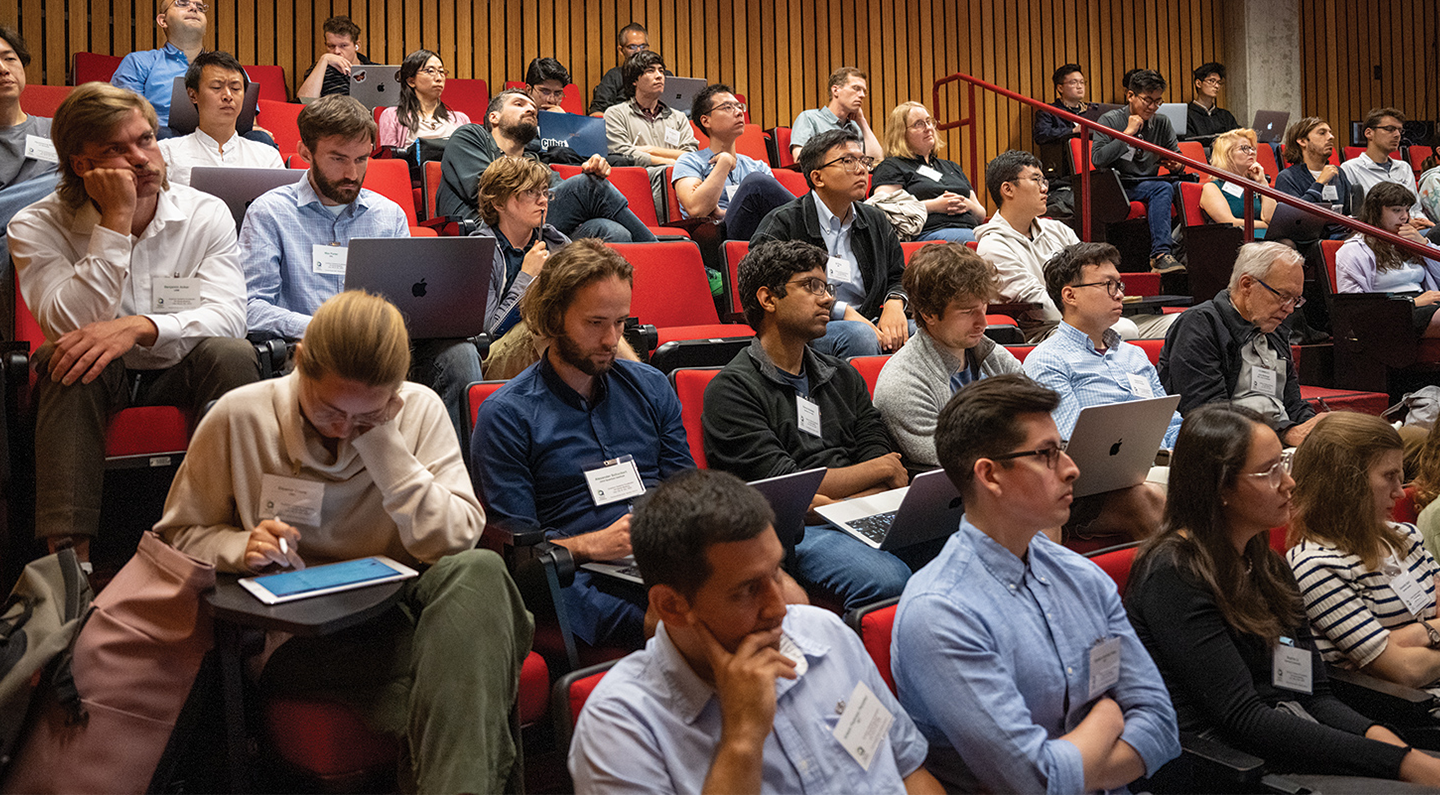
QSA supports a Quantum Research Pod at the Simons Institute, embedding 20 quantum postdocs and visiting scientists in Simons’ computing theory ecosystem for significant training opportunities and sustained interdisciplinary exchange within the QIS academic community. The Simons Institute is a leading venue for interdisciplinary computational collaborative research, bringing computer scientists, physicists, chemists, mathematicians, and others together for cutting-edge research and training programs.
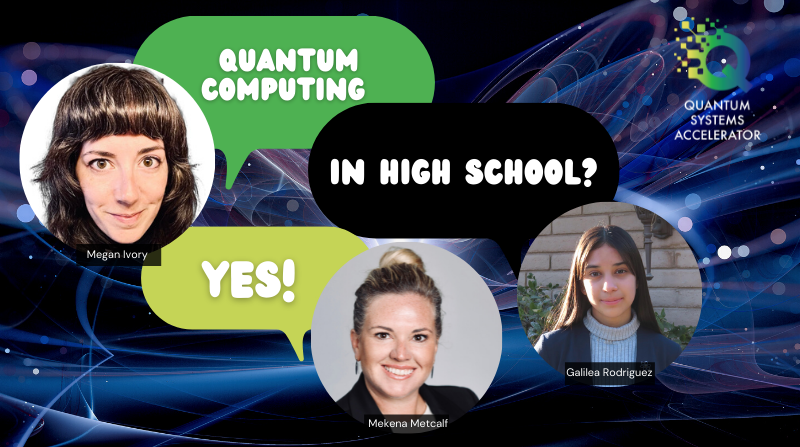
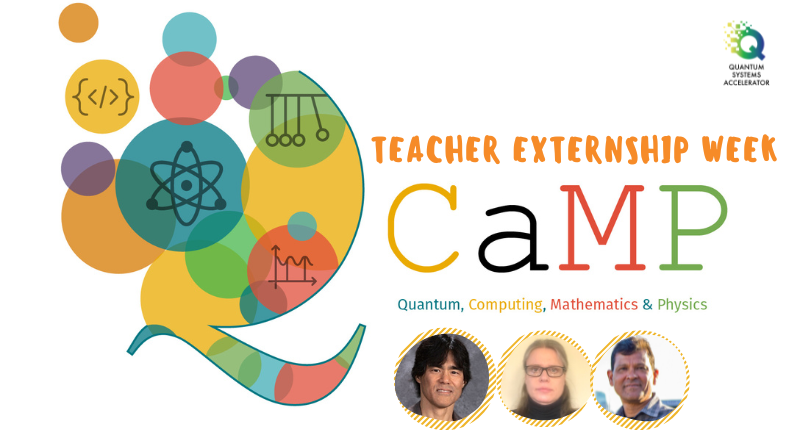
QSA leads QCaMP, a week-long (virtual and in-person) summer camp aimed at the high school level, with separate programs for high school teachers and students in California and New Mexico. QCaMP is free and participants receive a learning stipend.
Inspiring High Schoolers to Learn Quantum Computing
Jumpstarting the Future Quantum Workforce
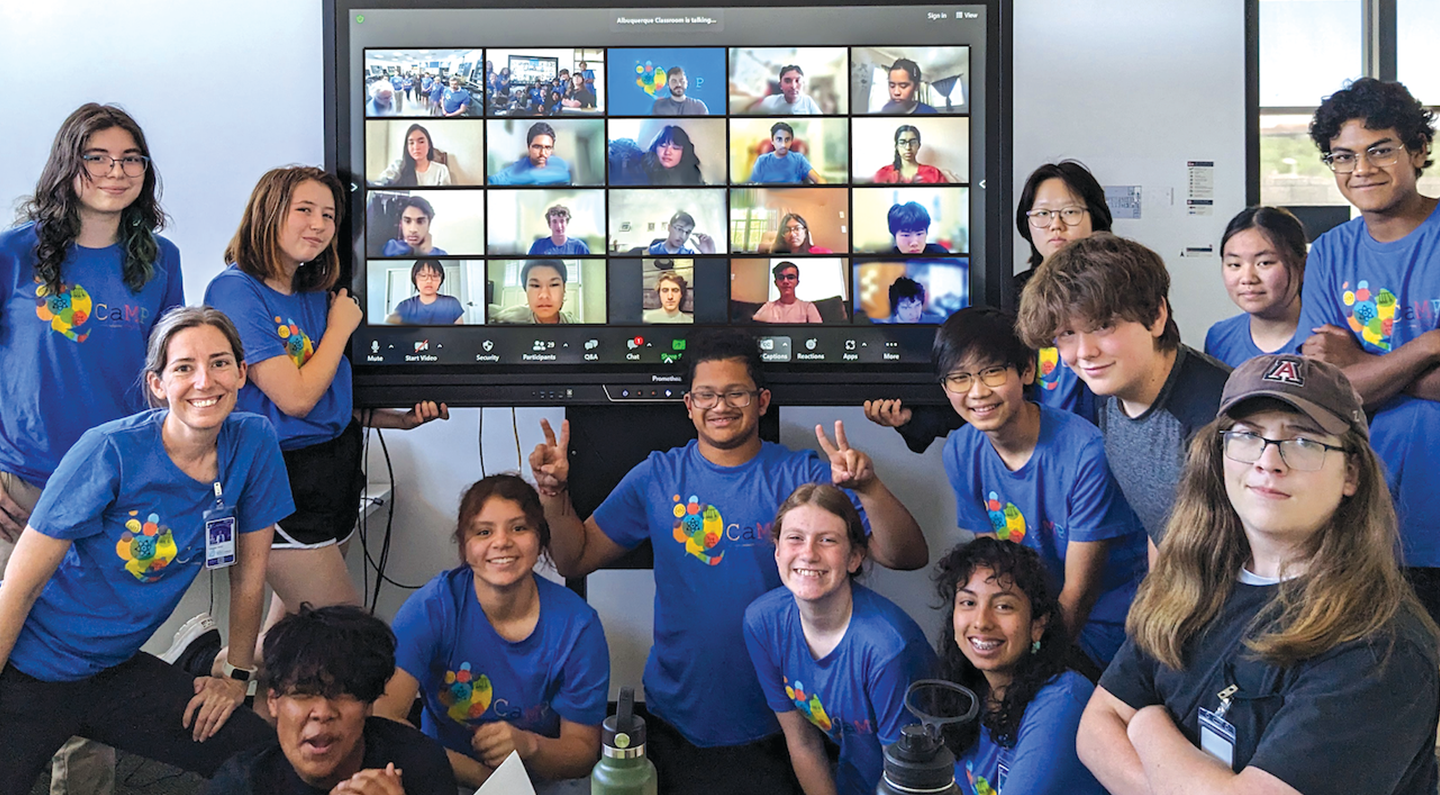
QSA participates in the annual QIS Career Fair facilitated by the five DOE National Quantum Information Science Research Centers: C2QA, QSA, QSC, Q-NEXT, and SQMS. The diverse technical backgrounds of students and postdoctoral researchers who participated in the widely attended annual virtual QIS career fairs demonstrates the significant anticipated national impact of the NQISRCs on national security, economic competitiveness, and the U.S. continued leadership in quantum information science.
QSA supports the U.S. QIS Summer School (USQIS) facilitated by the five DOE National Quantum Information Science Research Centers: C2QA, QSA, QSC, Q-NEXT, and SQMS. This first edition of the school in August 2023 is a ten-day program targeted to undergraduate students, graduate students, postdocs, scientists, engineers, and technicians interested in learning about the field on theoretical and practical levels. USQIS is also available to current universities, national labs, and industry employees for unique hands-on training opportunities and integrated lectures.
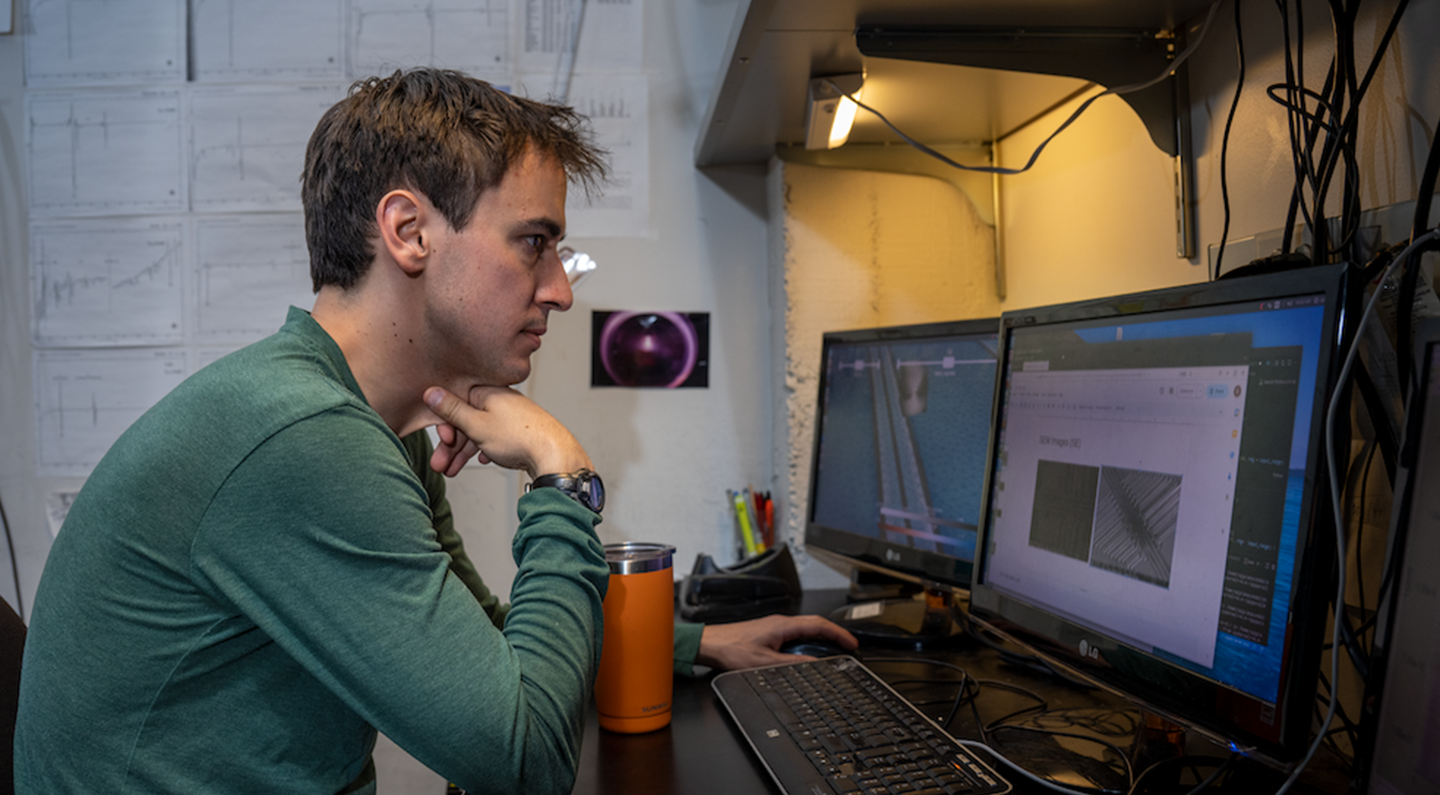
Growing a More Quantum-Ready Community
To grow a peer mentorship community focused on increasing engagement and cross-center integration for all members, QSA launched a Peer-to-peer mentoring program that helps to develop networks, career skills, and life-long colleagues.
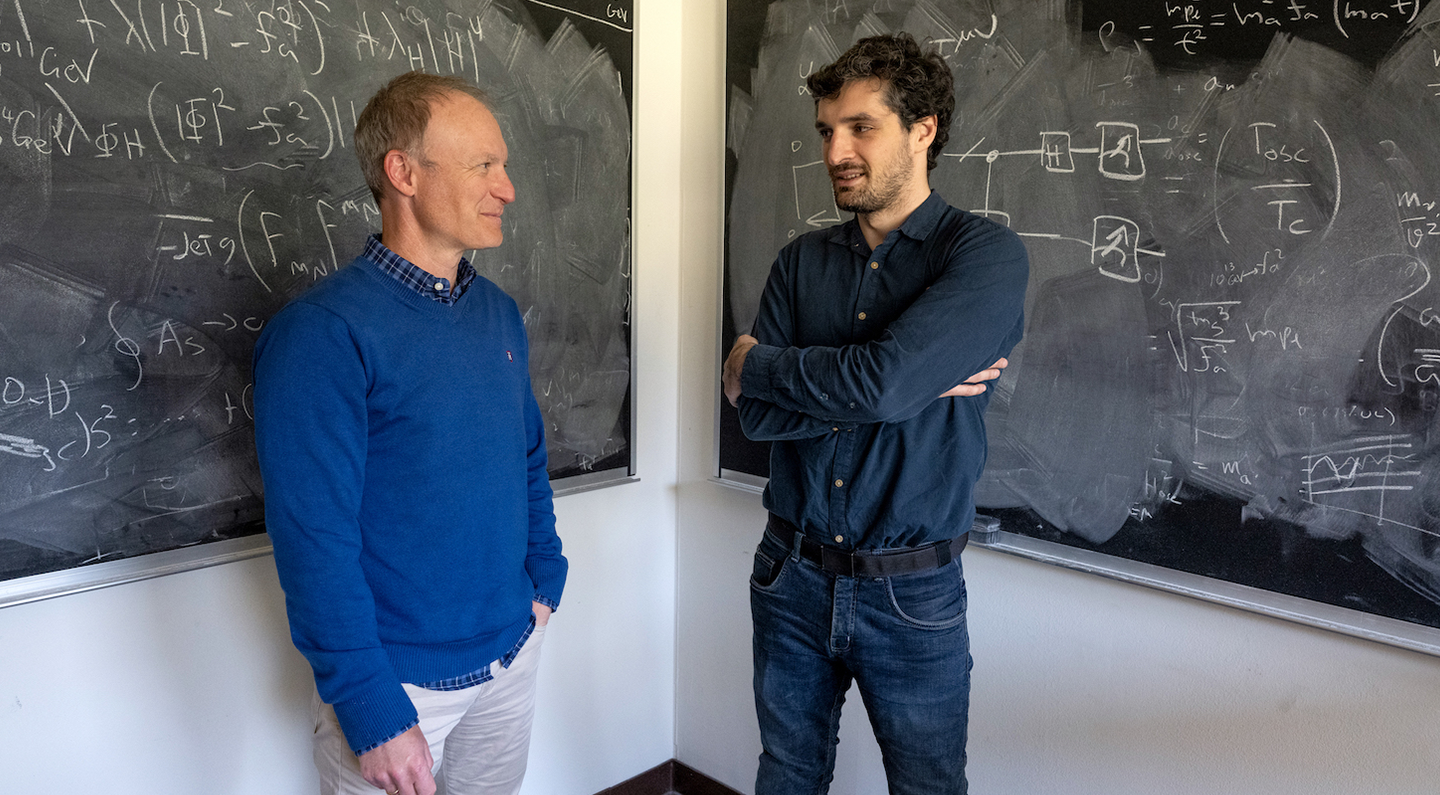
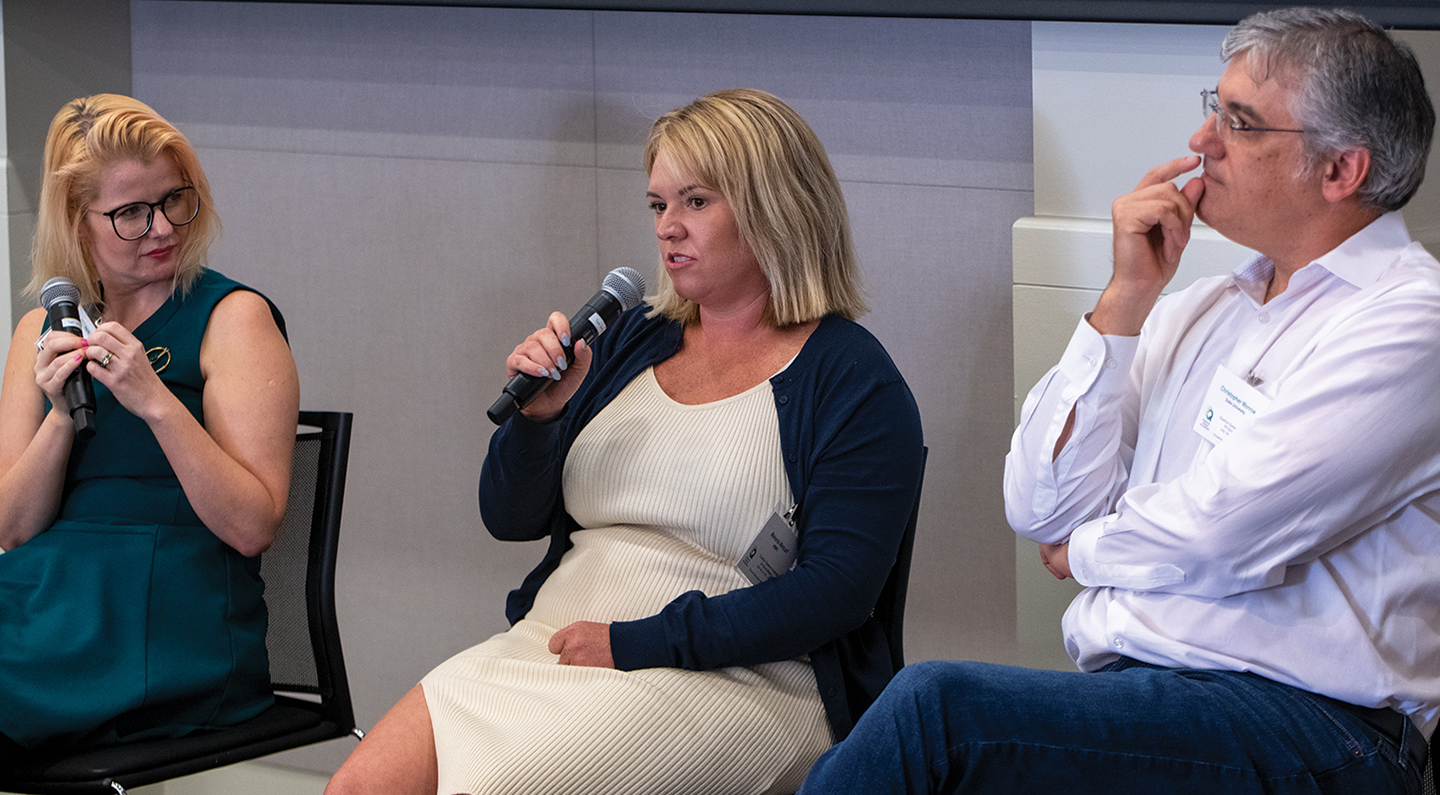
During the first in-person All-Hands Meeting in Berkeley, California, in May 2023, QSA organized career panels for members to network beyond their research areas and institutions, ask questions, and discuss innovation with established colleagues in a fast-paced field.
The Sparks That Ignited Curiosity: How Quantum Researchers Found Their Path
Jumpstarting the Future Quantum Workforce

QCaMP is launching educational pathways